Malawi is moving decisively to harness more value from its mining sector amid growing concerns over lost revenue.
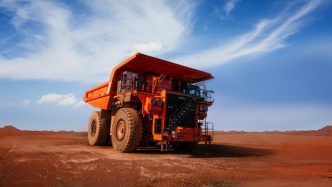
The government, which currently sees mining contribute only 0.7% to GDP and 3.5% to national revenue, a figure that experts believe could triple given the nation’s untapped reserves of uranium, graphite, and rare earth elements—is taking steps to rein in exports.
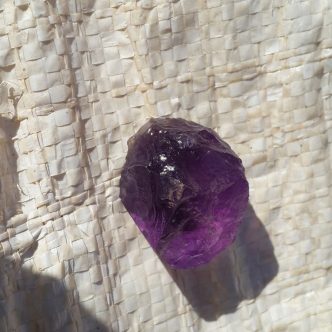
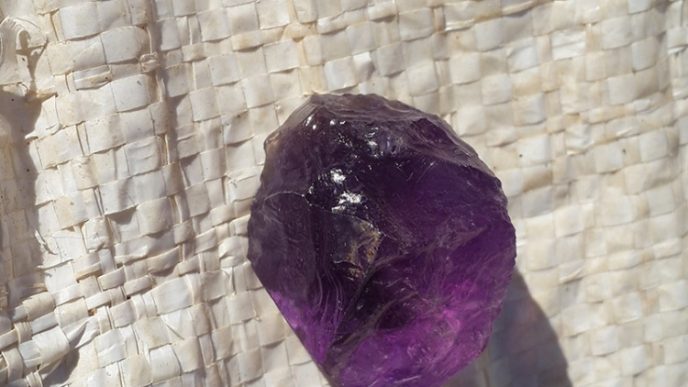
Earlier this month, officials announced a suspension on the export of certain minerals, initially a blanket measure later refined to target precious stones. 
This policy shift comes on the heels of international recommendations urging reforms to improve export oversight and boost revenue streams.
Analysts note that accredited testing facilities, long a missing piece in Malawi’s mining infrastructure, are critical to ensuring that the nation’s mineral wealth is fairly valued on the global market. With prospects of restarting uranium mining in the latter part of 2024 and increased production of other critical minerals, officials project that cumulative export revenues could approach $30 billion by 2040.
The move reflects a broader strategy to modernize the sector, tighten regulatory controls, and capture a greater share of economic benefits from Malawi’s rich natural resources, thereby setting the stage for a more sustainable future.