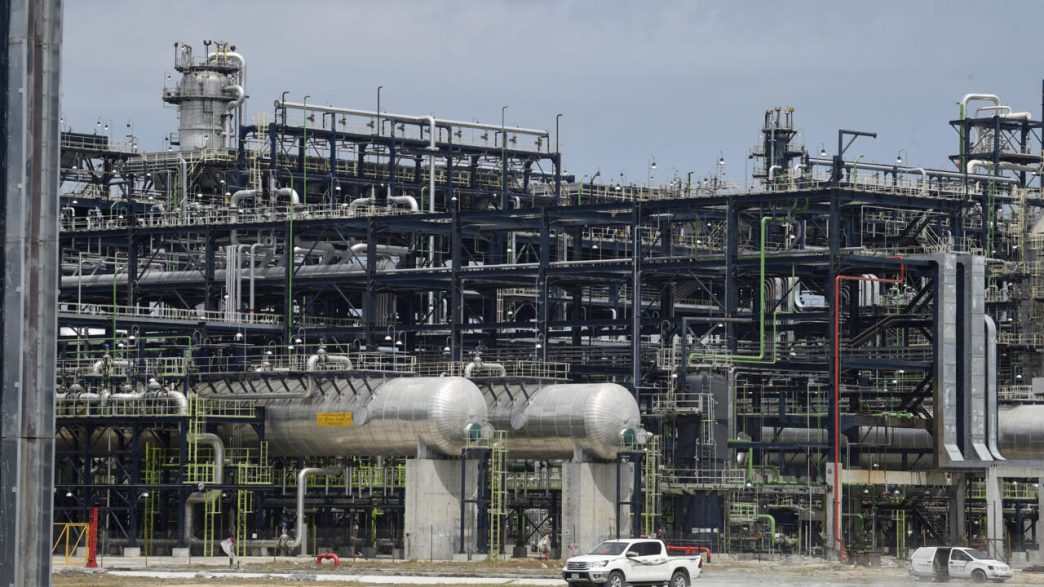
Nigeria will establish a national strategic petroleum products reserve this year to shield its economy from global market disruptions, according to regulatory officials, marking a significant shift in the country’s energy security posture.
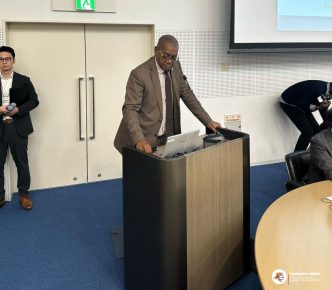
Farouk Ahmed, who heads the Nigerian Midstream and Downstream Petroleum Regulatory Authority, announced the initiative during a Tuesday press briefing, noting the reserve will be modeled after the United States Strategic Petroleum Reserve. The stockpile program implements mandates in Nigeria’s Petroleum Industry Law, which requires the regulator to authorize private storage facilities capable of holding petroleum products indefinitely.
“This represents a fundamental enhancement to our energy security architecture,” Ahmed said. While Nigeria currently maintains roughly 30 days of petroleum product reserves, the new stockpile will be “significantly larger,” though officials declined to specify target volumes. 
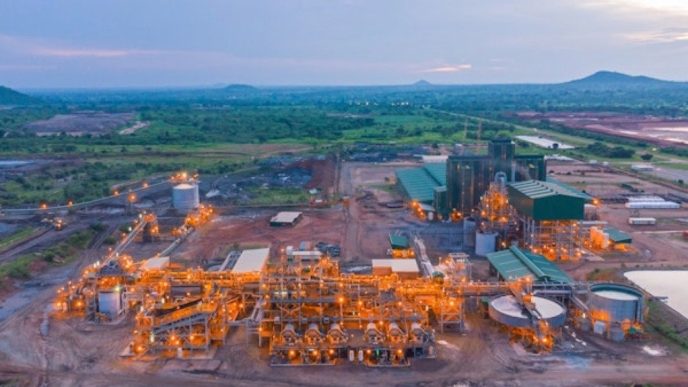
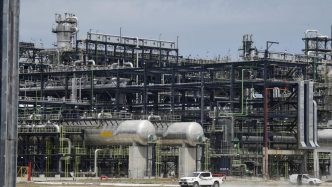
The move comes as Nigeria’s refining landscape undergoes transformation. The September startup of Aliko Dangote’s 650,000-barrel-per-day refinery, combined with five smaller facilities, has already reduced the country’s gasoline imports from 50.8 million liters daily in September to 28.7 million in March, according to regulatory data.
Despite being Africa’s largest crude producer, Nigeria has historically experienced persistent fuel shortages and distribution problems. According to the African Energy Chamber, the country spent approximately $43 billion on petroleum imports between 2016 and 2022 despite producing roughly 1.3 million barrels of crude oil daily during that period.
Regulatory officials project that operational domestic refineries will process 770,500 barrels per day through June, potentially positioning Nigeria to eventually eliminate gasoline imports altogether – a development that would significantly improve the country’s trade balance and foreign exchange position.