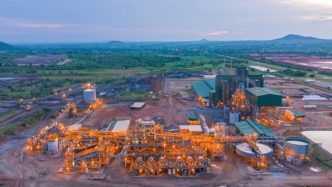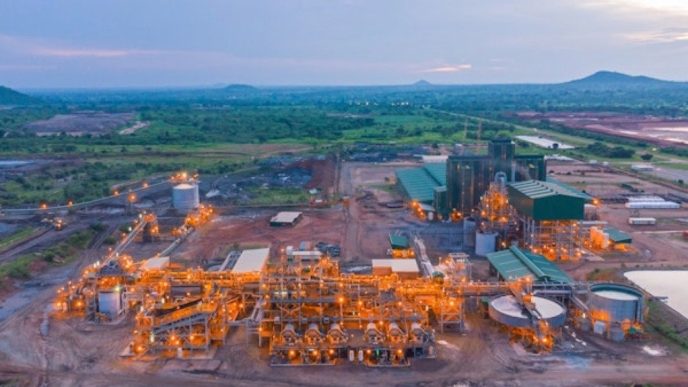
Mamba Minerals Ltd, an emerging player in the rare earths sector, is set to begin construction of a rare earth mine in southern Tanzania by the end of 2025, marking a significant commitment to the East African nation’s ambitions to grow into a supplier of critical minerals.
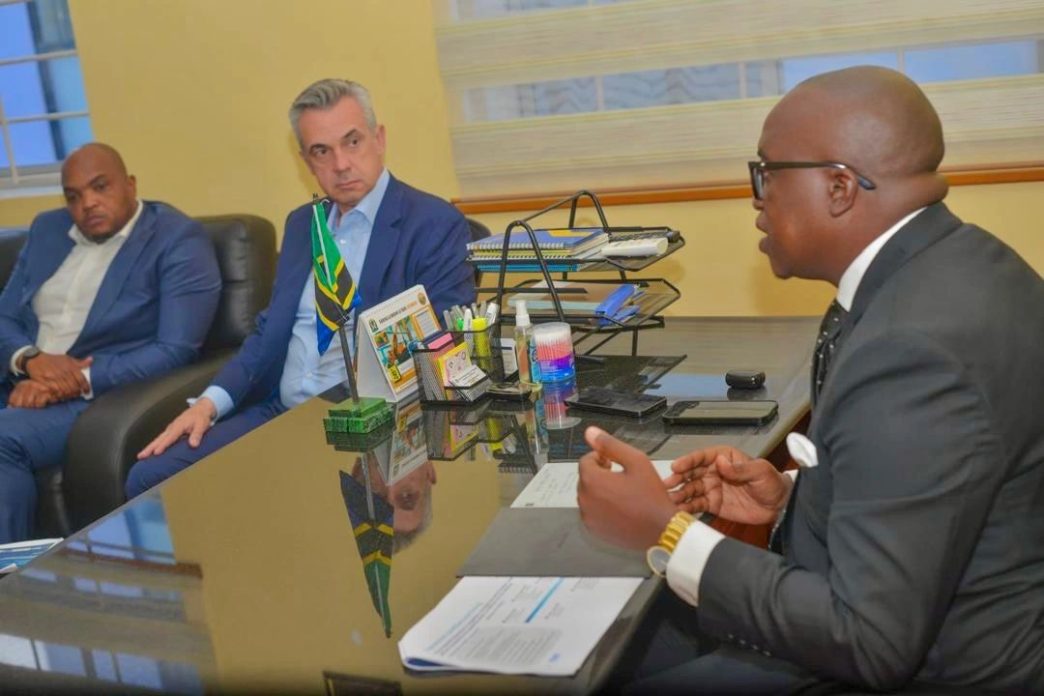
The mine, located in Ngwala Village in the Songwe Region, is part of a broader development package that includes an on-site refining facility and a renewable energy plant. The announcement followed a formal meeting in Dodoma with Tanzania’s Minister of Minerals, Anthony Mavunde, where Mamba executives and their Chinese partner, Shenghe Resources, confirmed the project timeline.
Russell Scrimshaw, Chairman of Mamba Minerals, stated that the company intends to meet the country’s regulatory benchmarks without delay. “Construction will begin in December 2025,” he said, adding that initial output is slated for late 2026. The project is expected to integrate a 10–12 megawatt power plant—powered by renewable energy sources—and a full-cycle processing plant, a notable departure from the industry’s traditional practice of exporting unprocessed ore. 
Shenghe’s Chairman, Quangan Wang, said the plant would play a key role in advancing value addition within the country, in line with policy goals set by the Tanzanian government. Shenghe Resources, which has extensive interests in mineral processing globally, is expected to supply technological expertise and capital to the venture. The firm is already one of the world’s largest traders of rare earth elements and has previously invested in projects in Myanmar and Vietnam.
Rare earths, including neodymium, dysprosium and terbium, are essential in manufacturing permanent magnets used in electric vehicle drivetrains, wind turbines, and military hardware. According to the International Energy Agency (IEA), global demand for rare earth elements is projected to more than triple by 2040 under current clean energy transition scenarios. Source: IEA Critical Minerals Market Review 2023
Tanzania, which has historically focused on gold and diamonds, is positioning itself as a viable destination for strategic minerals investments. Minister Mavunde noted the project’s alignment with new enforcement provisions under the Mining Act, which mandates that licensees commence operations within 18 months of permit issuance. “Delays in development are no longer acceptable,” he said, praising the joint venture for progressing on schedule.
President Samia Suluhu Hassan’s administration has been credited with streamlining investment approvals and improving infrastructure around mineral-rich zones. The Songwe region, once overlooked, has recently attracted interest from a handful of Australian and Chinese firms seeking to tap into Africa’s rare earth potential. The African Development Bank has also highlighted Tanzania in its 2024 minerals outlook, citing policy stability and geological promise.
With this project, Mamba Minerals enters a competitive field dominated by Chinese firms and a small cohort of Western-backed startups aiming to break China’s near-monopoly on rare earth processing. Mamba’s differentiator—full-cycle production with domestic value addition—may offer an edge as Western manufacturers seek more transparent and diversified supply chains.
However, rare earth mining remains fraught with geopolitical and environmental scrutiny. The inclusion of a clean energy component signals awareness of these pressures. Whether the company can meet both technical and regulatory expectations remains to be seen, but the groundwork, at least on paper, is firmly laid.