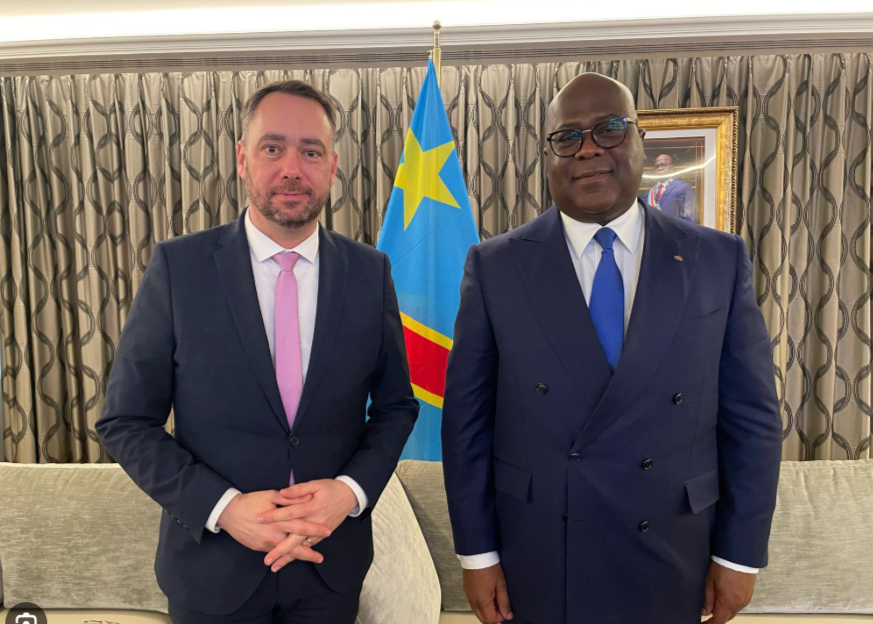
Belgium is positioning itself to increase its footprint in the Democratic Republic of Congo’s strategically vital minerals sector, as the resource-rich nation works to diversify beyond Chinese dominance in its mining industry.
“We have globally recognized expertise with players like Umicore and John Cockerill, who have the capacity to process all these rare critical materials,” Belgian Foreign Affairs Minister Maxime Prevot told Reuters during his diplomatic visit to the Central African nation. “If one day the opportunity arises to also be an investment partner, we will not pull back.”
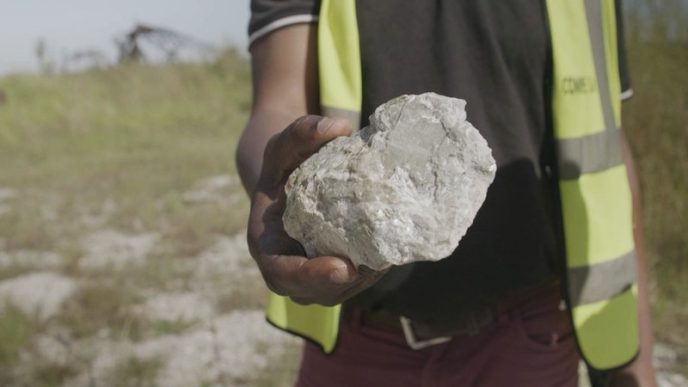
Congo possesses some of the world’s most significant reserves of copper, cobalt, lithium, and uranium—materials essential for renewable energy technologies and advanced electronics. The country accounts for over 70% of global cobalt production, according to the U.S. Geological Survey, making it a key battleground in the intensifying competition for critical minerals. 
Despite this mineral wealth, persistent armed conflicts and governance challenges have deterred the substantial foreign capital needed to develop these resources to their full potential. The eastern provinces, which Prevot plans to visit as part of his trip, continue to experience violence from armed groups including M23 rebels allegedly backed by neighboring Rwanda.
Belgian companies have maintained a presence in Congo’s mining sector despite China’s growing dominance over the past two decades. Materials technology group Umicore, headquartered in Brussels, signed an agreement with Congolese state mining company Gécamines in 2024 to export germanium concentrates to Europe—a rare earth element used in fiber optics and infrared technology.
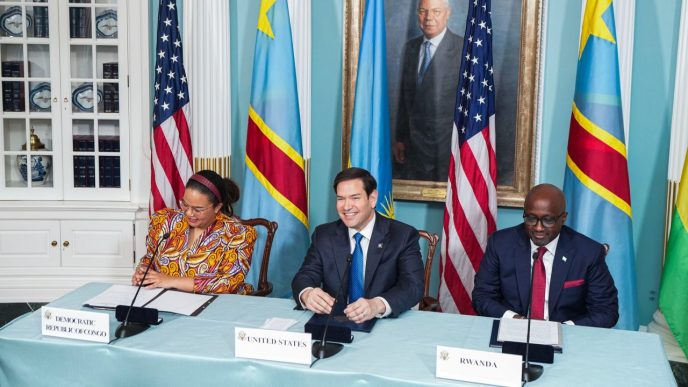
The diplomatic push comes as Kinshasa actively courts new international partners. The Congolese government has initiated discussions with Washington regarding a potential minerals-for-security arrangement, according to diplomatic sources familiar with the negotiations. Such an agreement would leverage Congo’s mineral resources in exchange for security assistance to address regional instability.
Prevot emphasized Belgium’s approach differs from other international actors. “We observe the motivations of other international actors that can sometimes have a more transactional approach,” he said, in what analysts view as a veiled reference to China’s resources-for-infrastructure deals that have drawn criticism for their lack of transparency.
The relationship between Belgium and its former colony remains complex, influenced by the brutal colonial history under King Leopold II and subsequent decades of Belgian administration until independence in 1960. However, economic ties have persisted, with Belgian firms involved in mining, processing, and trading Congolese minerals for generations.
Congo’s President Felix Tshisekedi has made diversifying the country’s mining partnerships a priority during his administration, seeking to reduce dependence on Chinese investment while addressing concerns about resource exploitation and local development. The mining sector accounts for approximately 30% of Congo’s GDP and 95% of its export earnings, according to the World Bank’s latest economic analysis of the country.