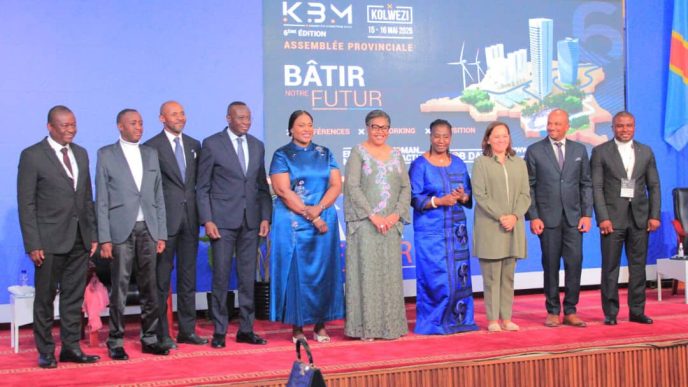
The Fair Cobalt Alliance (FCA) and state-owned Entreprise Générale du Cobalt (EGC) used a series of meetings alongside the OECD Forum on Responsible Mineral Supply Chains last week to press their case for a regulated, transparent artisanal-mining industry in the Democratic Republic of Congo.
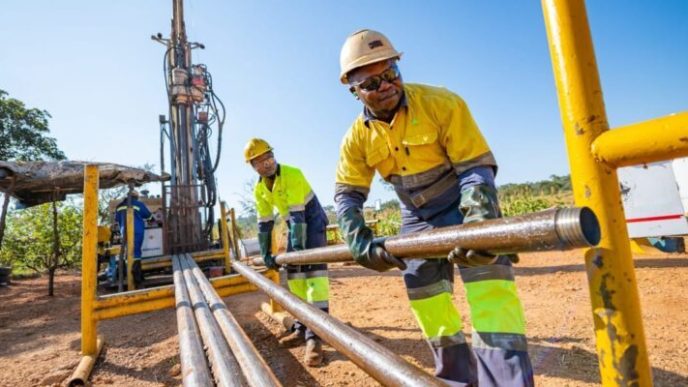
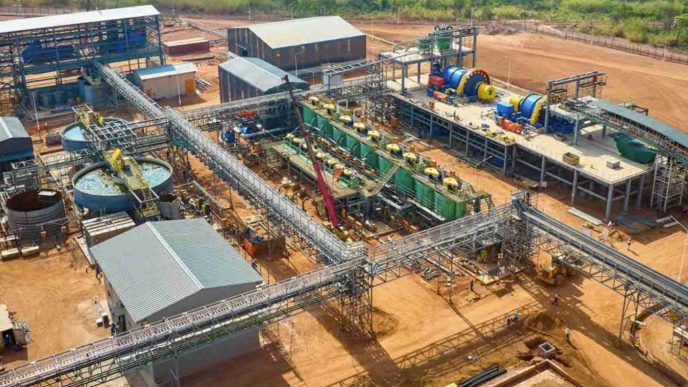
At a closed briefing of the Global Council for Responsible Transition Minerals, executives described a pilot site near Kolwezi that they say could become the first fully legal artisanal cobalt operation in the country. Gécamines, the Congolese state miner, has transferred control of the deposit to EGC, allowing the project to operate under a single concession instead of the patchwork of informal diggings that dominate Katanga province. The move dovetails with new Congolese regulations that grant EGC exclusive rights to export hand-dug cobalt, cementing its position as the sole legal channel for a segment that accounts for roughly one-quarter of global output.
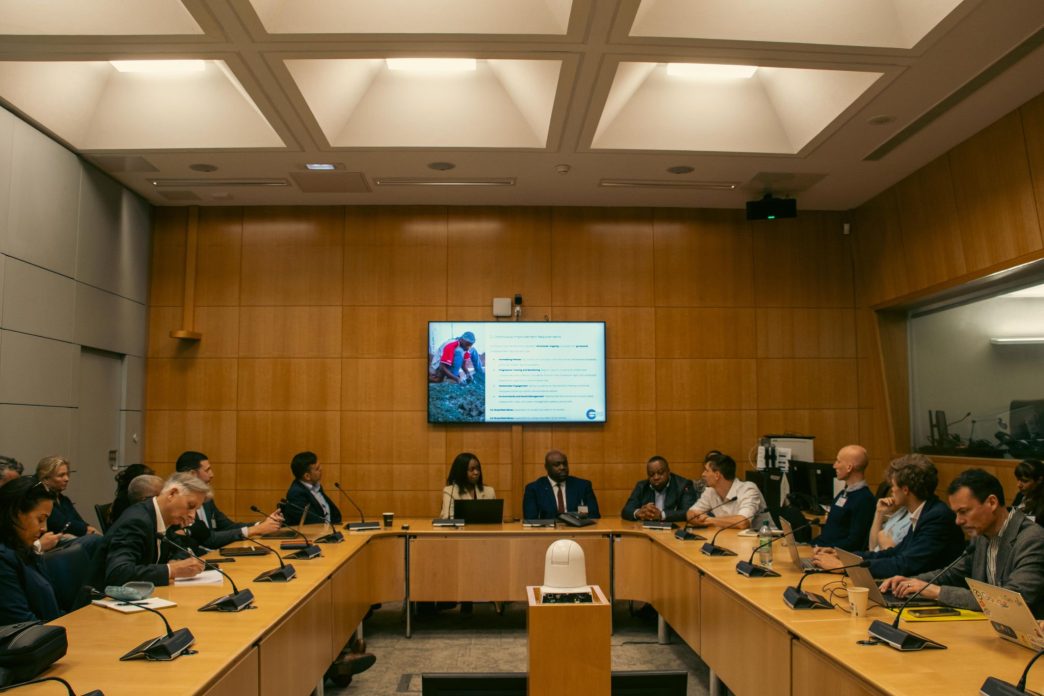
The partners also presented a draft revision of EGC’s Responsible Sourcing Standard at a May 7 multi-stakeholder session with government officials, battery-sector buyers and civil-society groups. The update tightens environmental- and labor-risk thresholds, bringing the document into line with the Responsible Minerals Initiative’s ASM Cobalt Normative Framework, a benchmark increasingly used by Western automakers and electronics firms to vet suppliers. 
Specific remedies under discussion include on-site child-labor remediation programs, digitized ore-tracking tags tied to EGC’s commercial platform and mandatory personal-protective-equipment funds financed via a levy on export sales, according to people familiar with the talks. FCA cited initial results from the Kolwezi pilot showing a 40% reduction in recorded safety incidents after installation of graded access ramps and covered sorting bays.
The alliance argues that formalizing artisanal production offers a faster path to stable cobalt supply than large-scale industrial projects, which require years of capital spending and face growing local opposition. Buyers, meanwhile, must reconcile the higher traceability costs with shareholder pressure to secure ethically sourced battery metals as EV production ramps up.