U.S. mining firm KoBold Metals has stepped up its campaign to gain control of the Manono lithium deposit in Democratic Republic of Congo, escalating a complex ownership dispute with significant geopolitical implications.
KoBold, backed by billionaire investors Bill Gates and Jeff Bezos, announced on May 6 a commercial framework agreement with Australia’s AVZ Minerals to “enable rapid development” of the deposit.
The arrangement would see AVZ cede its commercial interests in Manono to KoBold “at fair value,” according to a joint statement signed by both companies’ CEOs. 
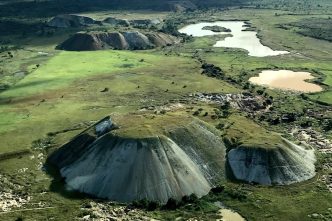
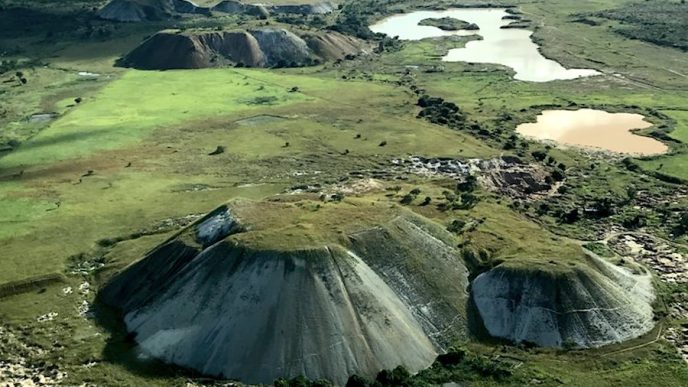
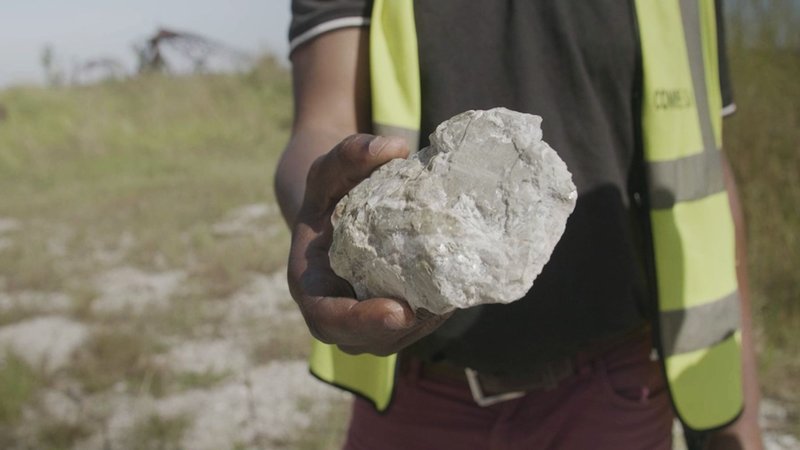
The Manono deposit represents one of Africa’s largest lithium resources, with January 2024 estimates indicating approximately 669 million tonnes of resources grading 1.61% lithium.
The Congolese government maintains that AVZ lost its rights to Manono when state-owned Cominière terminated their partnership in 2022. AVZ has contested this termination before the International Court of Arbitration, where it has secured an order for Cominière to pay €39.1 million in penalties for non-compliance with injunctions. However, the tribunal has not yet ruled on the fundamental ownership issue.
KoBold’s proposal aims to resolve the dispute by offering “appropriate compensation” to AVZ in exchange for abandoning its claims.
The company has indicated it would develop the southern portion of the deposit, while the northern section would remain under the control of Chinese group Zijin Mining.
Manono Lithium SAS, a joint venture 61% owned by Zijin through its Jinxiang Lithium subsidiary and 39% by Cominière received an operating permit for part of the deposit in September 2024. The venture plans to begin lithium production in early 2026.
The joint statement indicates that AVZ “has undertaken to propose to the Congolese government a temporary suspension of the ICSID arbitration proceedings to facilitate discussions,” suggesting no favorable response yet from Congolese authorities.
KoBold and AVZ appear to be leveraging improved U.S.-DRC relations, stating they are “cooperating with all stakeholders, including the U.S. government, the DRC government, and AVZ’s current development partner.”
The companies frame their proposal as contributing to “peace and prosperity,” promising “thousands of well-paying jobs for the Congolese, over several decades.”
The maneuver comes as Kinshasa recently offered the Trump administration a mining agreement in exchange for support in resolving the ongoing conflict in Eastern DRC.
U.S. Secretary of State Marco Rubio emphasized this connection on April 25 in Washington, stating that “lasting peace in eastern Democratic Republic of Congo will open the door to greater U.S. and Western citizen investment, which will create an ecosystem conducive to responsible and reliable supply chains for things like critical minerals.”