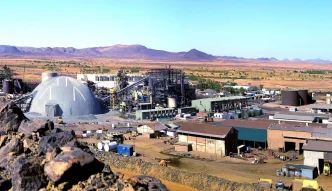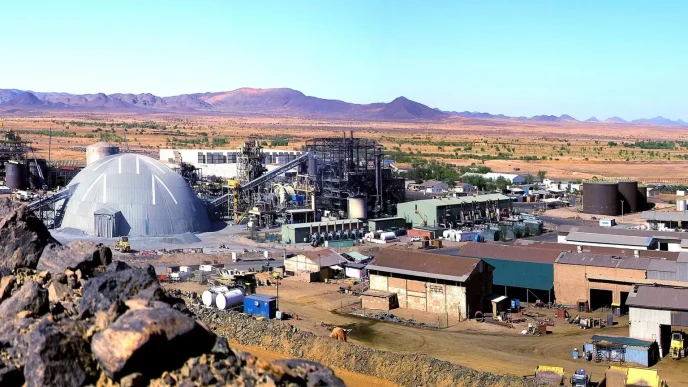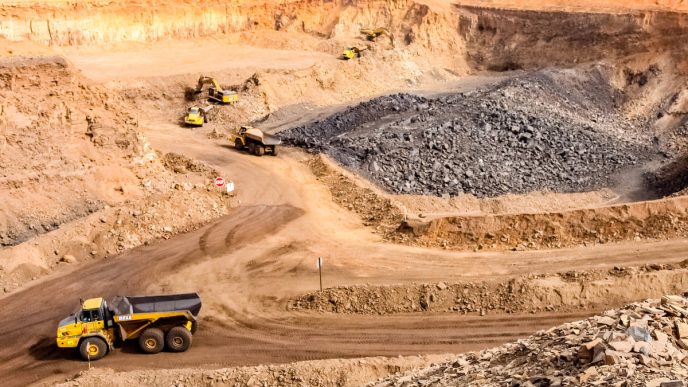
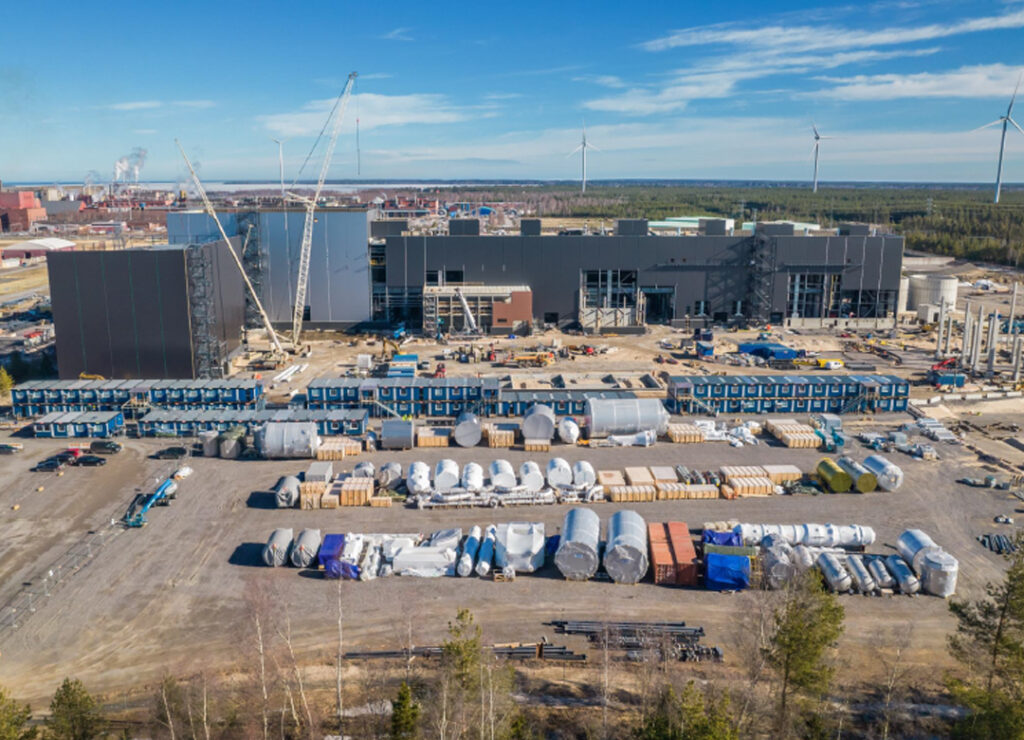
Sibanye-Stillwater’s strategic push in Europe received a notable boost this week after the European Commission classified two of its projects as “Strategic Projects” under the Critical Raw Materials Act. The designation applies to the Keliber lithium project in Finland and the GalliCam project in France, signaling robust support for regional supply chain development in critical minerals—a move that analysts say could reshape the European mining landscape.
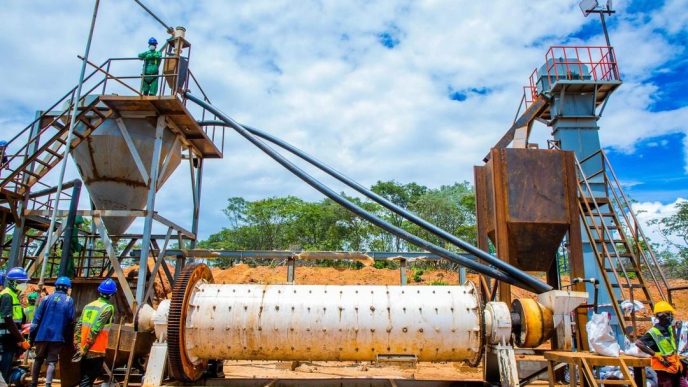
The Keliber project, in which Sibanye-Stillwater holds a 78.9% stake, is set to receive roughly R4.3 billion in capital expenditure during the 2025 financial year. The project, already well advanced in its permitting stages, aims to produce about 15,000 tonnes per year of battery-grade lithium hydroxide from 2026 onward—a production timeline that comes nearly three years before a predicted global lithium deficit, according to Sibanye-Stillwater’s forecasts. This output is expected to bolster Europe’s ambitions to meet its demand targets for critical raw materials, as outlined by the EU’s strategic benchmarks for extraction, processing, and recycling.
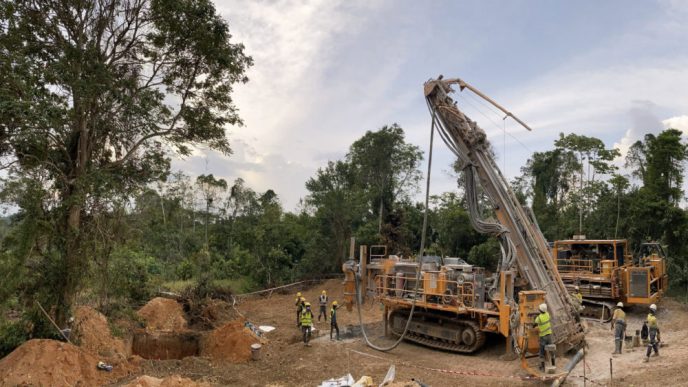
Meanwhile, the GalliCam project in France, currently in the pre-feasibility phase, represents Sibanye-Stillwater’s Plan B for a struggling asset. The company intends to repurpose the loss-making Sandouville nickel refinery to manufacture precursor cathode active material (pCAM), a key ingredient in electric vehicle batteries. With R198 million already earmarked in capex for this initiative, GalliCam was also among 47 projects selected by the Commission from a pool of 170 submissions. For further context on EU project designations, refer to resources available on the European Commission’s website. 
The backdrop to these developments is a broader geopolitical effort by Western powers to diversify supply chains away from Chinese dominance. Anglo American’s Sakatti copper project in Finland, also designated strategic by the European Commission, illustrates a trend toward expedited permitting processes and streamlined funding to secure critical minerals essential for vehicles, defense, and renewable energy. This trend is echoed by recent actions in the United States. On March 21, President Donald Trump invoked wartime powers, under the Defense Production Act, to mobilize domestic minerals production—a measure reported by Reuters and Financial Times.
Sibanye-Stillwater, whose portfolio also includes platinum and palladium production in the U.S., has opted not to join Trump’s latest drive after declining to invest in a lithium/boron project in Nevada with the Australian firm ioneer. The company cited environmental concerns and a lower-than-required investment threshold for its decision regarding the Rhyolite Ridge project.