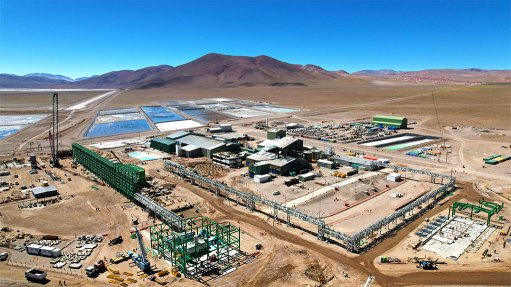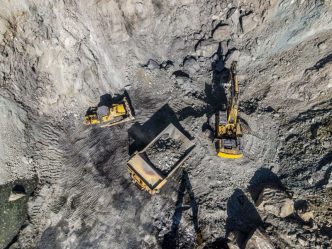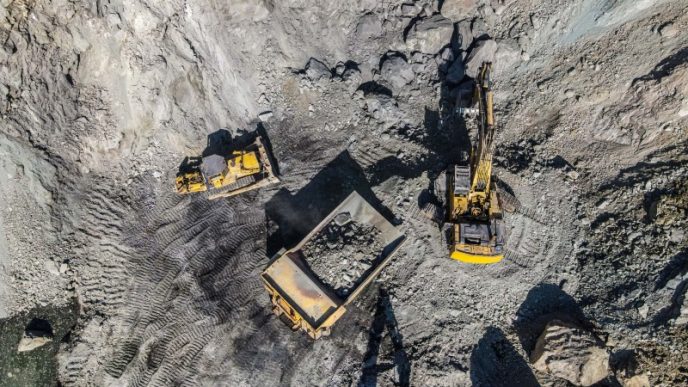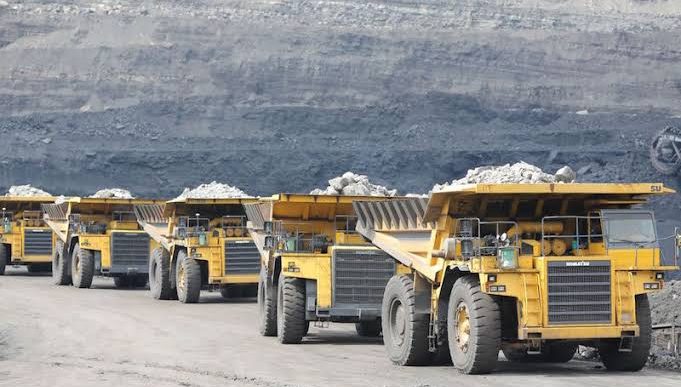
Despite a sharp decline in lithium prices and underwhelming electric vehicle (EV) sales, many lithium mines—led by Chinese operators—continue producing the key raw material for EV batteries. This steady output, driven by strategic priorities and government backing, is prolonging a global supply glut and keeping prices low, providing a windfall for battery makers.
Analysts and industry insiders say the oversupply is unlikely to abate in the near term. Mines are staying open to maintain market share, preserve relationships with governments, and avoid the technical and financial challenges associated with closing and restarting operations. Battery makers are also stepping in to prop up production, investing in mines to secure long-term supplies.
Battery Makers Step In
Some battery manufacturers have acquired stakes in lithium mines or injected cash to keep them operational, according to company reports. “There are some assets in production that shouldn’t really be, but for their own reasons, they’re plowing on,” said Martin Jackson, head of battery raw materials at CRU. He estimates that about 10% of global lithium production is currently loss-making. 
Lithium prices have plunged nearly 90% since hitting a high of $85 per kilogram in December 2022. The rapid decline follows an 18-month rally during which prices soared more than sevenfold, fueled by booming EV demand and tight supply. But a slowdown in EV sales and a surge in lithium production have reversed the trend. Global lithium supply is projected to rise 25% this year and another 15% in 2025, according to UBS, with oversupply expected to last until at least 2027.
China’s Strategic Role
China, the world’s largest EV and battery producer, has been a driving force behind the sustained output. Despite having some of the highest costs of lithium production globally, Chinese companies are keeping mines running both domestically and abroad. Many of these mines are integrated into China’s downstream supply chains, which produce battery components and EVs, making closures less likely.
“China sees its EV and battery industries as strategic priorities and is keen to maintain steady supplies of raw materials at low costs,” said one industry consultant. This has led Chinese firms to invest heavily in lithium mines abroad, particularly in Africa.
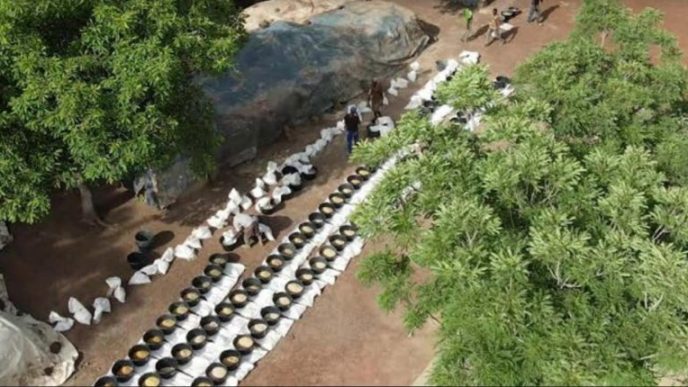
In Zimbabwe, now the world’s fourth-largest supplier of lithium, Chinese companies own majority stakes in all four operating mines. These mines are either barely profitable or operating at a loss, with production costs ranging from $600 to $1,000 per ton of spodumene concentrate—compared to a current market price of $765 per ton. Yet these mines remain operational, partly because Chinese parent companies absorb downstream losses and partly to ensure security of supply.
“There’s a political aspect to this,” said Cameron Perks, product director of lithium at Benchmark Mineral Intelligence. “China wants to secure supply chains outside of Australia and Canada, where it has faced pushback.”
Australia’s High-Cost Mines Get Support
In Australia, another major lithium producer, high production costs have forced some mines to scale back or close. Mineral Resources (MinRes) recently placed its Bald Hill mine under care and maintenance, citing costs. However, the company has kept its two other mines, including Mt. Marion, operational, albeit at reduced capacity.
Mt. Marion, which faces higher costs due to lower lithium grades, is 50% owned by China’s Ganfeng Lithium, a battery manufacturer. Ganfeng’s involvement helps offset losses through mining services contracts and integrated downstream operations. Similarly, Liontown Resources, which operates the Kathleen Valley mine, has managed to stay afloat by scaling back production during its ramp-up phase. The company secured $250 million in funding from South Korea’s LG Energy Solution, which extended its lithium supply deal by 10 years, capitalizing on the lower price environment.