Congo’s mining authority has launched a sweeping campaign to root out fraudulent operations in the resource-rich Tshopo Province, where illegal actors have exploited falsified permits, ravaged ecosystems, and flouted regulatory oversight for years.
The move signals a rare attempt to impose order in a sector critical to the nation’s economy but long plagued by corruption and weak governance.
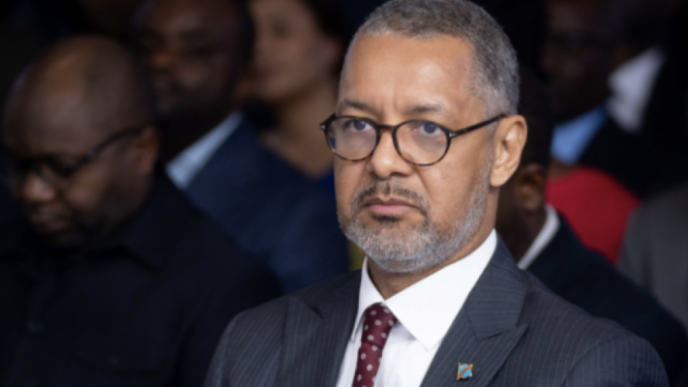
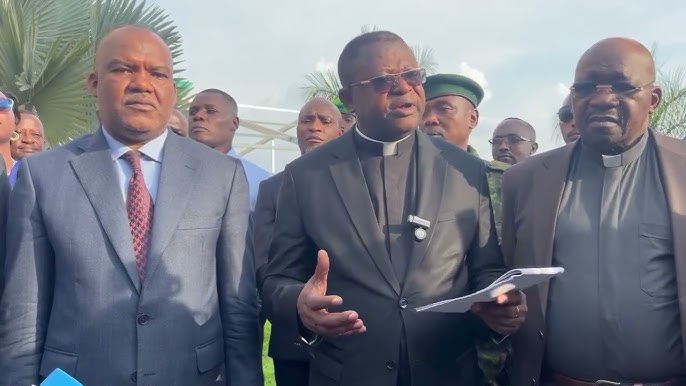
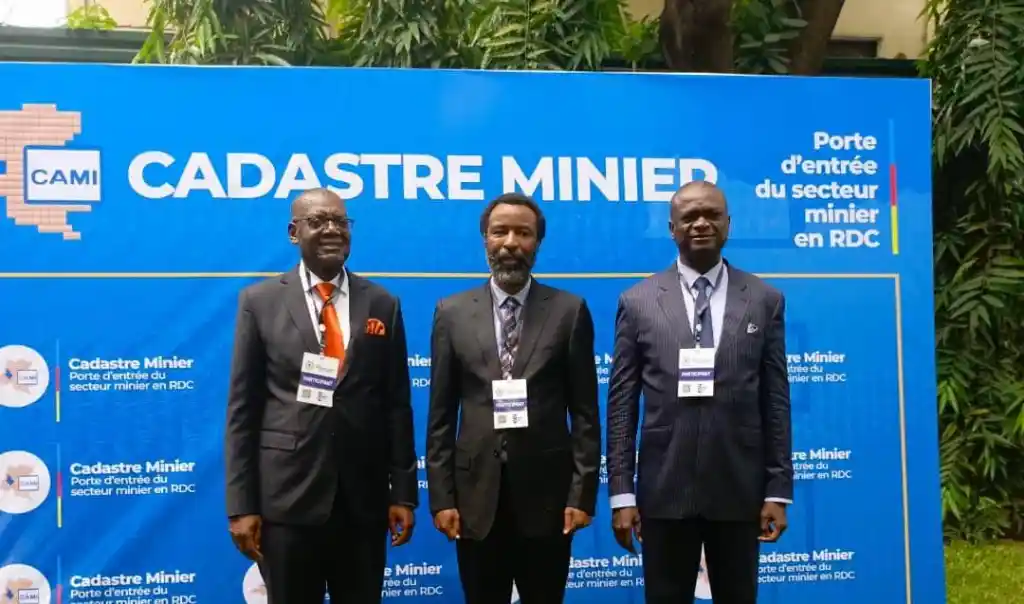
Crispin Mbindule, president of the Mining Registry (CAMI), confirmed this week that multiple companies including Coopemu and Oracle operated in the Mangi mining zone without valid licenses, using exploration and exploitation documents allegedly forged in Uganda. 
The illicit activities, uncovered during a fact-finding mission to Kisangani in late January, have siphoned profits from state coffers and undercut legal miners, deepening tensions in a region already grappling with poverty and instability.
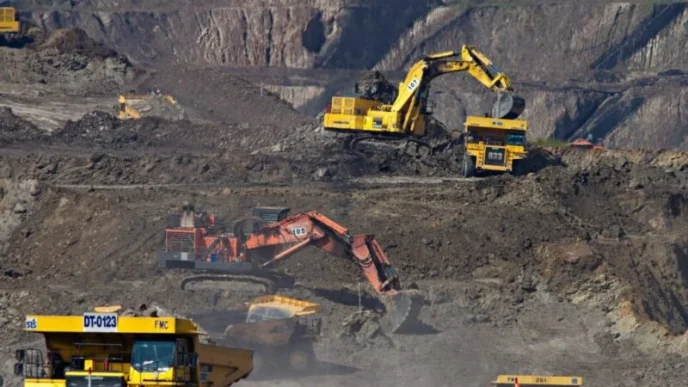
Environmental degradation has emerged as a flashpoint, the Télé River, a lifeline for fishing communities and freshwater access across Tshopo and neighboring Bas-Uélé provinces, now runs contaminated by mining waste, according to local advocates.
Dieudonné Maindo, a civil society leader in Banalia Territory, described unchecked deforestation and pollution from foreign-operated machinery, which continues to operate despite provincial orders to halt. “The damage is irreversible if this persists,” Maindo said.
Critics accuse provincial authorities of turning a blind eye to the crisis, even as CAMI escalates pressure. Mbindule, in a sharp rebuke, vowed to pursue administrative and judicial sanctions against violators while fast-tracking efforts to regularize artisanal and industrial mining. “No entity, foreign or domestic, is above Congolese law,” he declared, urging companies to comply with licensing protocols before breaking ground.
The crackdown coincides with a push to bolster local participation in a sector dominated by foreign interests. CAMI has called on Congolese citizens, including traditional leaders, to engage legally through simplified permit procedures—a bid to curb reliance on external actors and channel mining wealth into communities. Yet skepticism lingers. Past reforms have faltered amid bureaucratic inertia and entrenched graft, leaving artisanal miners vulnerable to exploitation.
CAMI’s next steps include auditing mining titles, relaying community grievances to Kinshasa, and tightening oversight mechanisms. The agency aims to submit findings to the national Minister of Mines within weeks, though observers note that lasting change hinges on political will. Congo, home to vast reserves of cobalt, copper, and gold, has struggled to convert mineral wealth into broad prosperity, with opaque deals and illicit trade fueling conflict and inequality.