the European Union’s Foreign Affairs Council announced on February 24, 2025, that it would review its memorandum of understanding (MoU) with Rwanda on critical minerals—a pact originally inked in February 2024. The decision comes as mounting violence in eastern DR Congo forces European leaders to reassess long-standing alliances and economic interests, all while balancing support for Ukraine and global energy transition priorities.
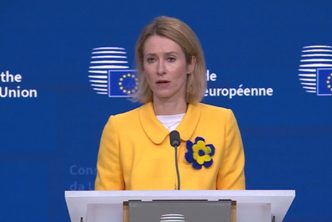
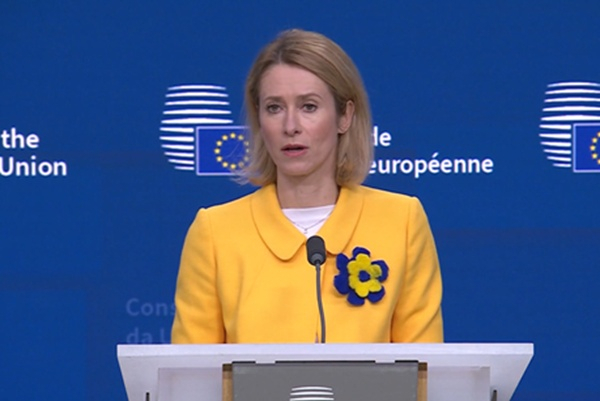
EU High Representative Kaja Kallas, speaking at a closed-door meeting, laid out the new policy direction: “Consultations on defense issues with Rwanda have been suspended. There is also a political decision to apply sanctions, depending on developments on the ground. We have asked Rwanda to withdraw its troops from DRC territory. Finally, the memorandum of understanding with Rwanda on critical raw materials will be re-examined.” Her measured tone belied the urgency of a crisis that has claimed more than 7,000 lives in the conflict-ridden eastern provinces, where rebel groups like the M23 and Rwandan forces have made significant territorial gains in key cities such as Goma and Bukavu.
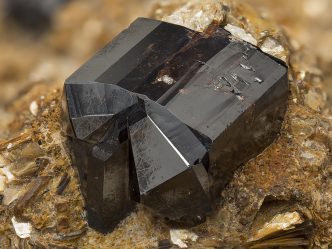
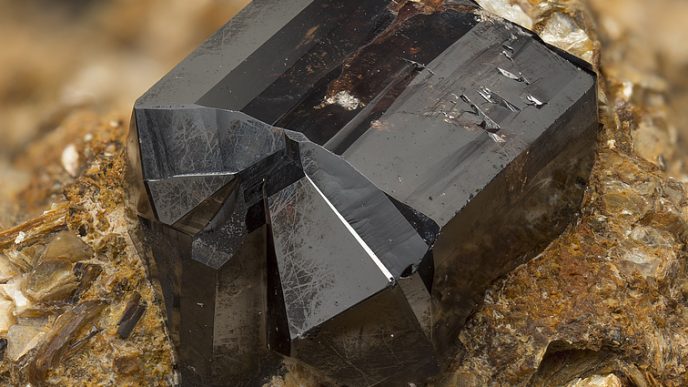
For decades, the EU has looked to the MoU as a linchpin to secure a stable supply of strategic minerals—especially coltan, a key component in the production of electronics and an essential element for the energy transition. The pact was intended to foster “sustainable and resilient value chains” while building local capacity in Rwanda. Yet mounting evidence now suggests that the deal may be inadvertently facilitating the plunder of DR Congo’s vast resources. 
Recent reports by United Nations experts have revealed troubling practices: minerals sourced from areas under rebel control are being mixed with Rwanda’s own outputs, a phenomenon that has led to what some have called “the largest contamination of mineral supply chains in the Great Lakes region.” DR Congo’s government has condemned this practice, arguing that it enables Rwanda to benefit disproportionately from Congolese resources—a claim that has sparked intense debate in both regional and international circles.
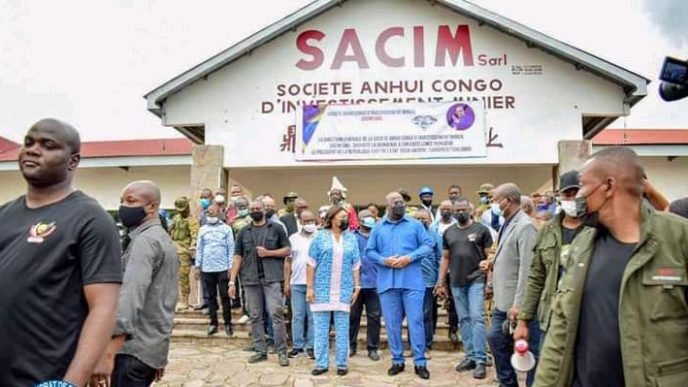
In response to these revelations, the Congolese government on February 12 declared 38 mining concessions in the Masisi and Kalehe territories as “red zones,” effectively halting the exploitation of coltan and cassiterite (tin ore) in those areas. The measure underscores the deep-seated tensions over resource ownership and sovereignty. Data compiled by the Ecofin Agency shows that in 2023, Rwanda’s coltan exports soared to 2,070 tonnes—a 50% increase over DR Congo’s 1,918 tonnes—further fueling the dispute.
“This isn’t merely an economic disagreement; it’s a question of national dignity and regional stability,” remarked a senior official from DR Congo’s Ministry of Mines. “Our minerals are the lifeblood of our economy, and we cannot allow external actors to dictate terms that undermine our sovereignty.”
Observers note that the EU’s decision to re-examine the MoU with Rwanda reflects broader shifts in international policy. The fallout from the conflict in DR Congo has forced European policymakers to navigate a delicate balance: on one hand, securing critical minerals essential for green technologies; on the other, ensuring that these resources are not siphoned off under exploitative conditions that destabilize neighboring states. As the EU moves forward with its review, experts predict that the outcome could set a precedent for how trade agreements are reconfigured to incorporate security and ethical considerations.