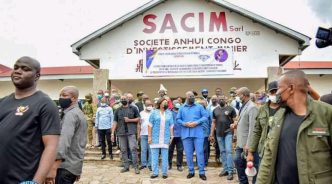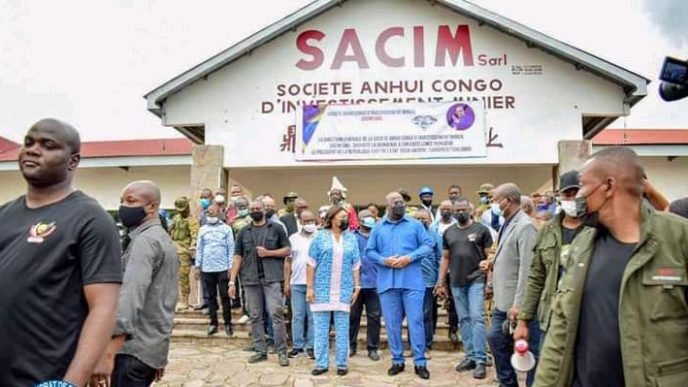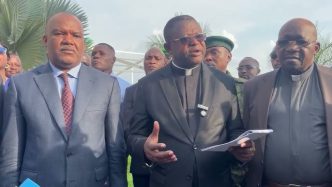
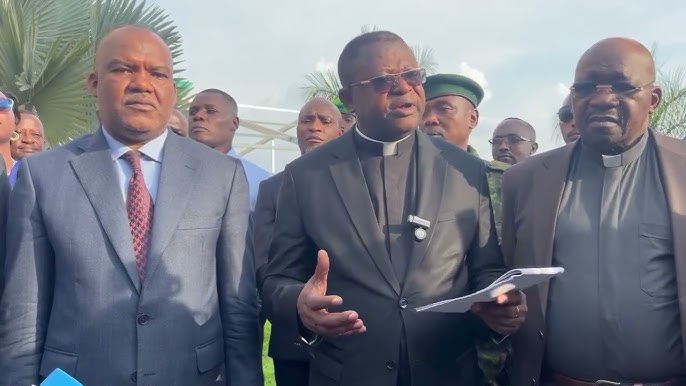
A joint initiative by the Congolese Episcopal Conference and the Church of Christ in Congo has brought a delegation of bishops to Goma on February 11, 2025, to engage in dialogue with leaders of the AFC-M23 rebel coalition. The visit comes amid a protracted security crisis in North Kivu, a region largely under the control of the M23, where the rebels’ activities continue to fuel instability. The religious leaders, intent on forging a social pact for the common good, met with the insurgents to explore peaceful avenues toward restoring stability in the region.
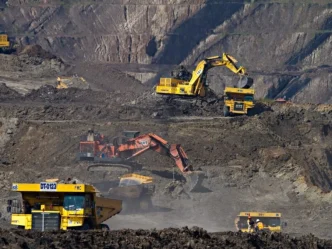
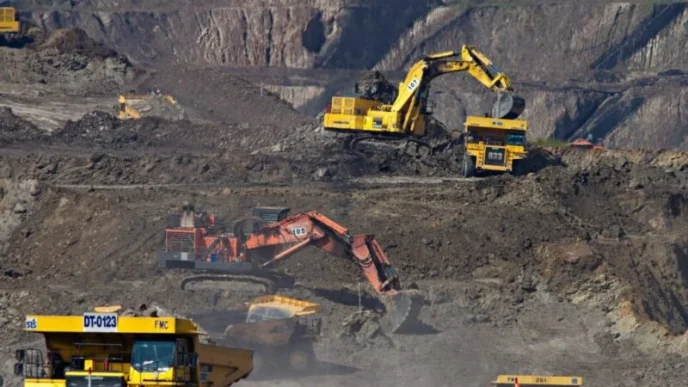
During the discussions, the bishops raised urgent issues, notably the illicit exploitation of minerals in M23-held areas and the potential fragmentation of eastern Congo. Monseigneur Donatien Nshole, general secretary of the Episcopal Conference, reported that the rebels denied any involvement in the illegal extraction of coltan and cassiterite. “It was an opportunity to convey the Congolese people’s concerns about resource exploitation and regional fragmentation,” Nshole stated, noting that the rebels claimed not to be pursuing a strategy of balkanization or engaging in unauthorized mineral extraction, and they provided their version of events.
However, independent reports and testimonies from mining operators working in M23-controlled zones paint a contrasting picture. These operators assert that the rebel group actively diverts minerals for export to Rwanda. Multiple investigations by United Nations experts, MONUSCO, and various international agencies have confirmed that armed groups in the region engage in the unauthorized mining and sale of resources through opaque channels. Civil society groups and local NGOs have further documented that the minerals extracted under rebel oversight are being funneled to international firms without transparency. 
The bishops’ position has sparked heated debate on social media, with many questioning their grasp of the realities on the ground. Observers online ask whether the ecclesiastical delegation fully understands the extent of the resource plunder occurring under rebel control, suggesting that the bishops may be overlooking the stark evidence of systemic abuse in the mining sector.
In their meeting, the religious leaders reiterated their rejection of any military solution to the ongoing conflict. They called instead for a political and diplomatic resolution that would address not only the security crisis but also the economic exploitation perpetuated by the current system. The bishops stressed that lasting stability in North Kivu can only be achieved through dialogue and negotiated settlements rather than through force. Their remarks arrive as the humanitarian situation in the region remains precarious, with the local population bearing the brunt of both the conflict and the economic fallout from uncontrolled resource extraction.