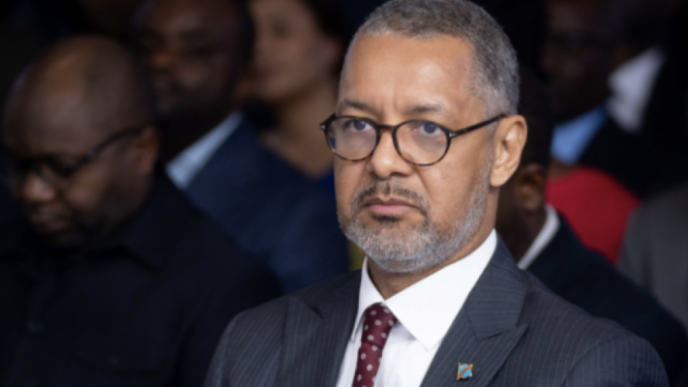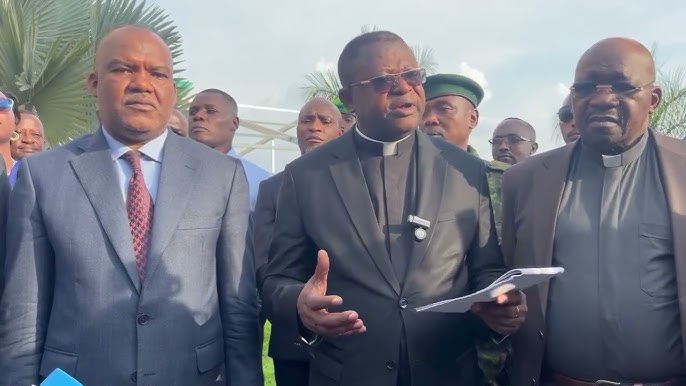
A group of 64 organizations from the Democratic Republic of Congo has formally urged the European Union to cancel its critical minerals partnership with Rwanda, accusing the East African nation of indirectly fueling violence in eastern Congo. In a letter delivered to EU commissioners and members of parliament on Tuesday, the NGOs warned that continuing with the partnership risks legitimizing the illegal exploitation of Congolese resources and financing rebel activities.
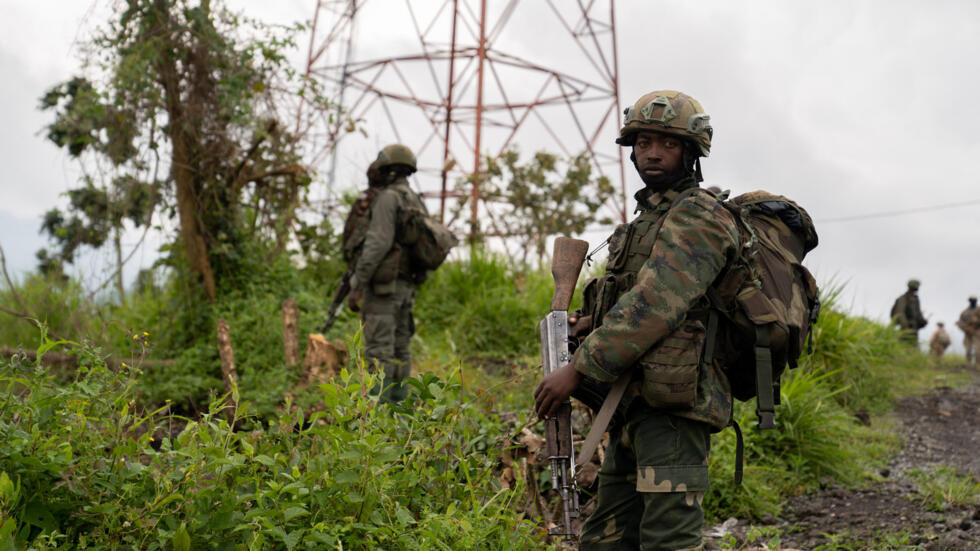
Recent events have intensified these concerns after Rwanda-backed M23 rebels seized control of the strategic trading hub in Goma, leaving thousands dead and wounded and igniting fears of a broader regional conflict.
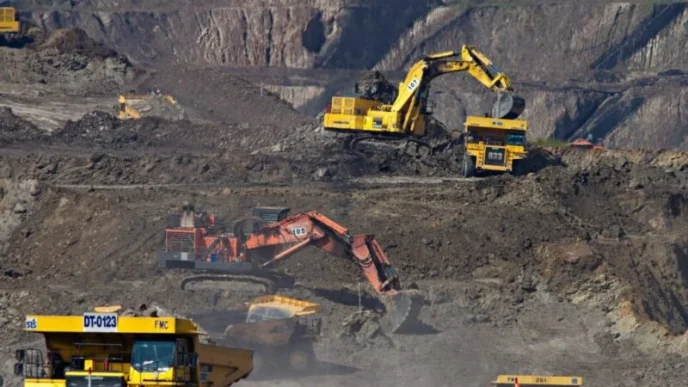
According to several Congolese and United Nations experts, the rebel group has been smuggling minerals out of Congo to Rwanda, a practice believed to fund its insurgency. The letter underscores the urgency of reassessing mining projects involving Rwanda, citing the potential for war crimes and human rights violations to be indirectly financed through these illicit transactions. 
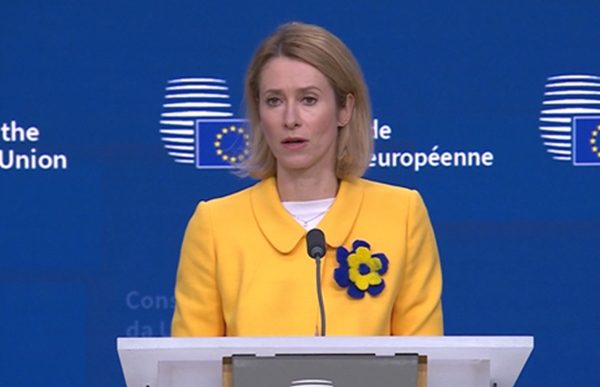
The EU, it is noted, had signed a memorandum of understanding with Rwanda last February to promote governance, transparency, and the development of infrastructure for mineral processing and refining. This agreement, part of a broader investment package under the Global Gateway program, is set to channel more than €900 million into the country to support initiatives across critical minerals, health, and climate sectors.
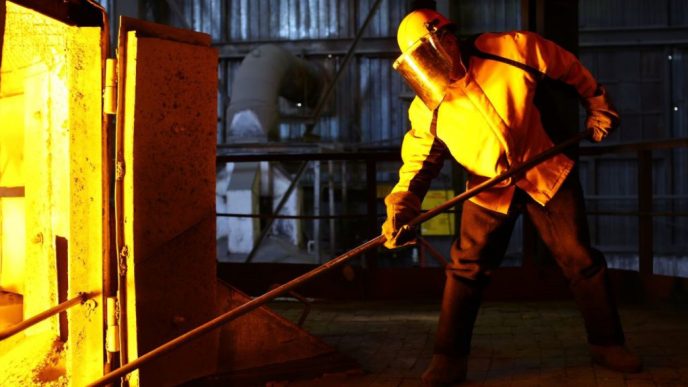
Rwanda is a significant exporter of minerals such as tungsten, tin, and gold, and the International Monetary Fund estimates that the country exported approximately $1.3 billion worth of gold last year, with projections reaching nearly $1.9 billion in 2025.
In addition, Rwanda ranks as the world’s second-largest source of tantalum, a key component in portable electronics. Despite these figures, Rwandan President Paul Kagame told CNN that he was unaware of any mineral smuggling from Congo to Rwanda, dismissing allegations by suggesting that other nations, including South Africa and certain European countries, stand to benefit more from Congo’s resources.
Kagame also rejected claims that his government supports the rebels or has deployed troops to eastern Congo—a region that has been plagued by conflict for decades following the 1994 genocide. Meanwhile, M23 claims its actions are intended to protect the rights of Tutsis and speakers of the Rwandan language in Congo.
The group, which now controls some of the largest tantalum mines in the region, reportedly generates over $800,000 a month by taxing the mineral trade, according to a recent UN report.
The EU’s deal with Rwanda has drawn criticism amid these developments, with local organizations arguing that the financial support and technical assistance provided under the Global Gateway program could inadvertently bolster a regime that is complicit in destabilizing practices. European policymakers now face mounting pressure to reconsider their engagement with Rwanda as evidence mounts linking mineral smuggling to the funding of rebel groups.