Human rights organization calls for comprehensive reforms to address shortcomings in recent government measures
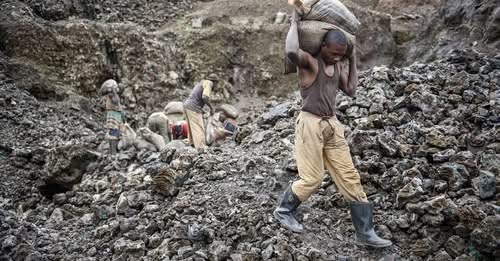
A Congolese civil society organization has called on President Félix Tshisekedi to develop a comprehensive national policy for artisanal mining centered on promoting social peace and local development in the Democratic Republic of Congo.
The Initiative for the Protection of Human Rights and Social Reintegration (IPDHOR/ASBL) issued the recommendation following its critical analysis of recent government measures aimed at reorganizing the sector, particularly in Lualaba province. The findings were communicated to mining news outlet MINES.CD on Sunday, April 27. 
IPDHOR emphasized the need to protect artisanal miners’ rights and ensure greater transparency in the management of Artisanal Mining Zones (ZEAs).
According to the organization, ministerial orders No. 25/Cab/VPM/Minintersecdecac/020/2025 and No. 00147/cab.Mines/01/2025, along with letter N/Réf: Cab.Mines/KPM/01122/01/2025, contain several deficiencies. These measures, intended to strengthen the structure of mining cooperatives and artisanal mineral processing entities, are reportedly ill-suited to on-the-ground realities. The main criticisms include the lack of effective ZEA creation, risks of socio-economic imbalances, and institutional inconsistencies.
To address these weaknesses, IPDHOR has issued targeted recommendations to government officials:
For the Prime Minister:
-
Develop a coherent national policy for artisanal mining based on social peace and community development
-
Establish a support fund to formalize and structure mining cooperatives
For the Deputy Prime Minister and Minister of Interior:
-
Clarify the role of public security forces in mining areas by establishing precise guidelines to prevent abuses against artisanal miners
-
Combat the exploitation of armed forces for private or political purposes
-
Strengthen collaboration between the judiciary, local civil authorities, and mining cooperatives
The organization also recommended deploying an independent evaluation mission to assess the security impact of military presence at mining sites, identify tension zones, distinguish legitimate artisanal miners from criminal groups, and facilitate multi-stakeholder dialogue.
Recommendations for the Minister of Mines include expediting the signing of ministerial orders establishing ZEAs (particularly in densely populated areas of Lualaba), creating consultation mechanisms between stakeholders, promoting digitalization of collection services at artisanal sites, and implementing reform measures progressively.
IPDHOR expressed hope that these contributions would help establish responsible mining governance that respects human rights and promotes sustainable development in the DRC’s artisanal mining sector.