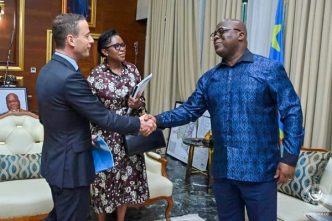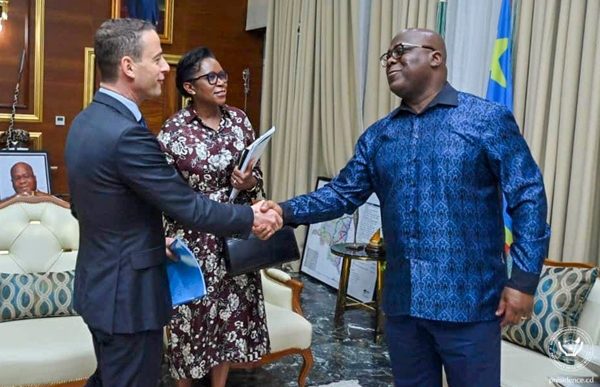
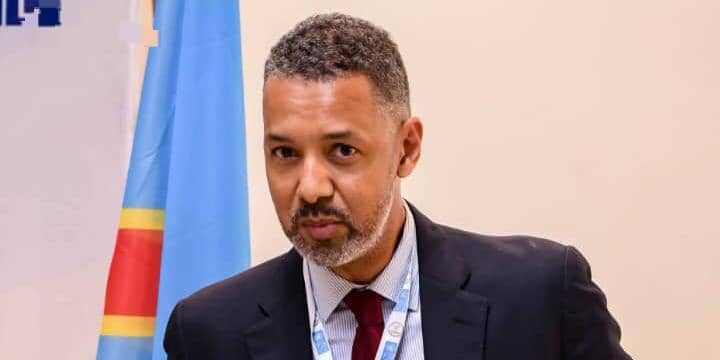
The Democratic Republic of Congo (DRC) is looking to deepen its collaboration with the European Union to address rampant illegal mining and improve governance in its mineral-rich territories. K-Pakabomba, the Minister of Mines for the DRC, made the announcement during a recent meeting with EU representatives in Kinshasa, signaling the government’s intent to tackle one of the industry’s most pressing issues.
Illegal mining, long a challenge in the DRC, undermines the country’s economy, depletes state revenues, and often involves unsafe and exploitative labor practices. The country, which holds some of the world’s largest reserves of cobalt, copper, and gold, has struggled to regulate mining activities within its borders despite its central role in global supply chains.
“Our aim is to create an environment of transparency and accountability in the mining sector,” K-Pakabomba said. “We want to ensure that our natural resources contribute meaningfully to the development of the Congolese people while curbing the exploitation that often benefits illegal operators.” 
The EU’s Role in Supporting Reform
K-Pakabomba emphasized the importance of technical and financial support from the European Union to enforce regulations, strengthen oversight, and disrupt networks linked to illegal mining. The DRC sees the EU as a critical partner in building capacity within its mining ministry and ensuring compliance with international standards.
For the EU, partnering with the DRC offers an opportunity to secure access to critical raw materials like cobalt and lithium—essential for the green energy transition—while promoting ethical sourcing. The European Commission has increasingly focused on building sustainable and responsible supply chains, particularly as part of its broader climate goals.
“Illegal mining is not just a Congolese issue; it has global implications for supply chains,” K-Pakabomba added. “Partnerships with international organizations like the EU can help us enforce traceability and ensure resources are mined responsibly.”
Challenges in the Fight Against Illegal Mining
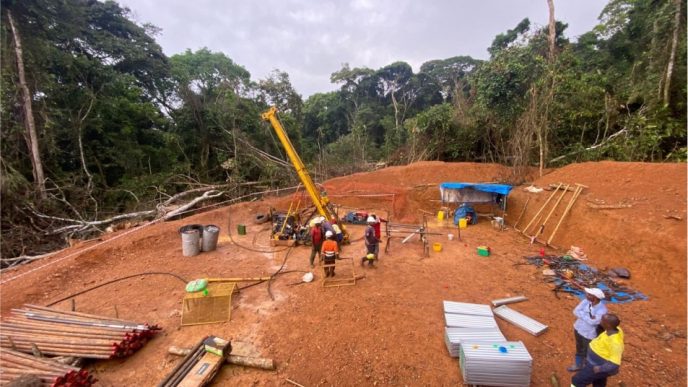
Despite the government’s efforts, eradicating illegal mining in the DRC presents significant challenges. Many artisanal miners operate in informal and unregulated environments, making it difficult to enforce labor laws, environmental regulations, and taxation. Illegal networks are often deeply entrenched, involving local actors and, in some cases, international smuggling routes.
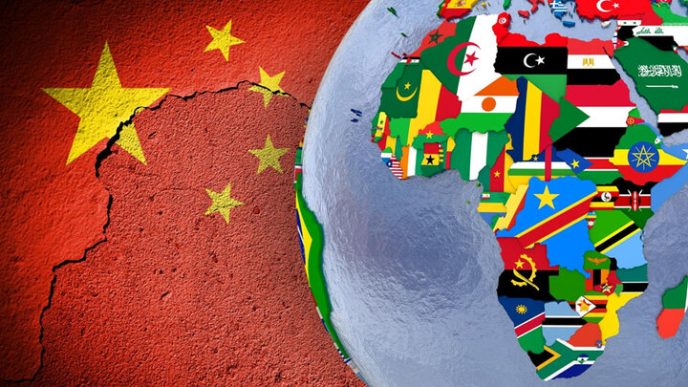
Analysts have also noted the geopolitical stakes. China, a dominant player in the DRC’s mining sector, has secured access to significant mineral reserves, further complicating the enforcement of mining regulations. The European Union’s interest in the DRC’s resources is partly driven by a desire to diversify supply chains and reduce reliance on Chinese-controlled materials.
A Push for Modernization
The DRC government is also pushing for the modernization of its mining industry as part of its broader strategy to attract foreign investment and formalize artisanal mining. K-Pakabomba has stressed the need for better infrastructure, digital tools to monitor production, and partnerships with international firms to establish transparent supply chains.
The government’s cooperation with the EU is expected to involve investments in technology for tracking mineral exports and ensuring compliance with international certifications, such as the OECD’s guidelines for responsible sourcing.
“We are committed to reforming our mining sector to ensure that it benefits the Congolese people,” K-Pakabomba said. “This is a fight we cannot win alone. We need strong partnerships to ensure that our resources are mined legally, ethically, and sustainably.”