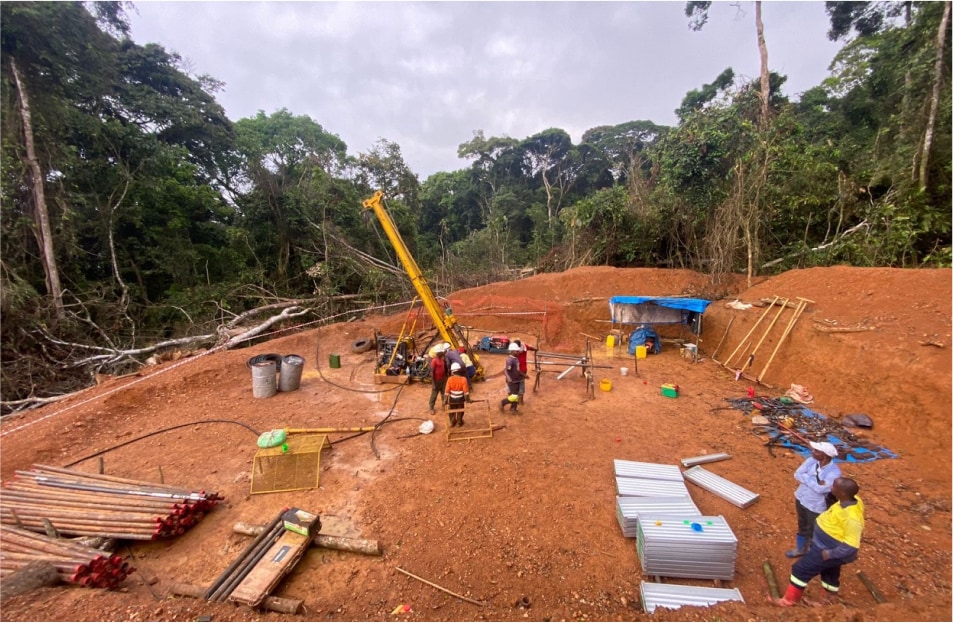
The AIM-listed firm plans to use the funds to extend drilling operations through 2025, conduct geophysical and geochemical surveys, and strengthen its balance sheet. The investment will also be used for site mapping to optimize future exploration activities.
“This strategic investment demonstrates the recognition of the Bisie North project in the DRC. It will enable us to continue drilling and accelerate work to create value for our shareholders,” said Paul Barrett, CEO of Rome Resources.
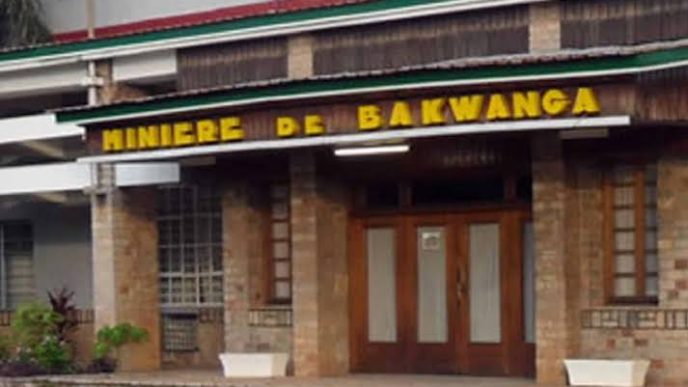
The Bisie North project is situated in one of the world’s most promising tin-producing regions. Global tin prices surged 34% in 2024, reaching $33,810 per tonne in October, driven by limited supply and rising demand for tin in electronics and renewable energy technologies. 
The DRC, which ranked as the world’s fifth-largest tin producer in 2023, is gaining prominence as a key player in the global tin market. Alphamin Resources, the country’s leading tin producer, reported a 28% increase in production during the first nine months of 2024, reaching 12,087 tonnes.
Alphamin’s success has been bolstered by rising tin prices, with average prices climbing from $26,557 to $31,757 per tonne over the same period. The company expects to produce between 17,000 and 18,000 tonnes by year-end, further cementing the DRC’s position in the global tin supply chain.
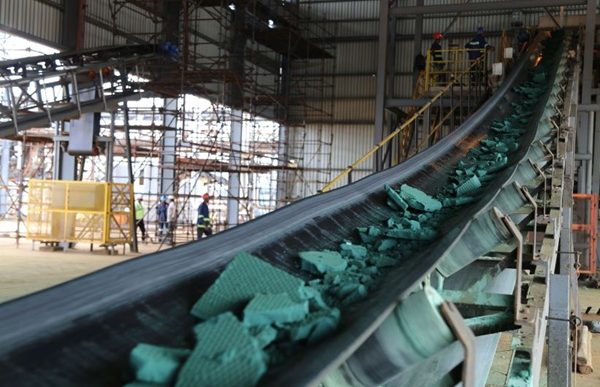
Rome Resources has recorded tin grades as high as 7.12% in its recent drilling results, underscoring the project’s potential. The company aims to capitalize on growing global demand for tin, which is widely used in semiconductors, batteries, and other components critical to renewable energy systems.
If successful, the Bisie North project could strengthen the DRC’s standing in the tin market, helping the country attract more investment and increase its influence in the global supply of critical minerals.