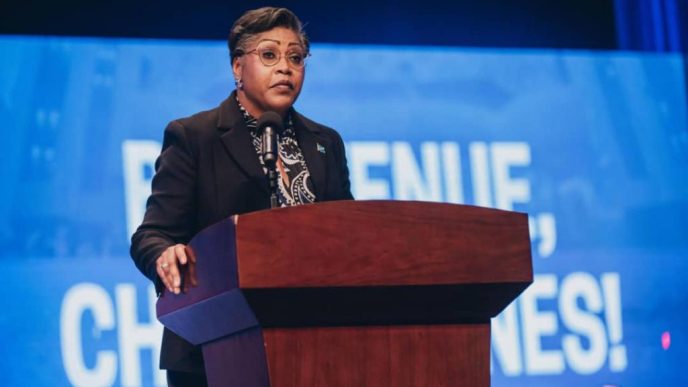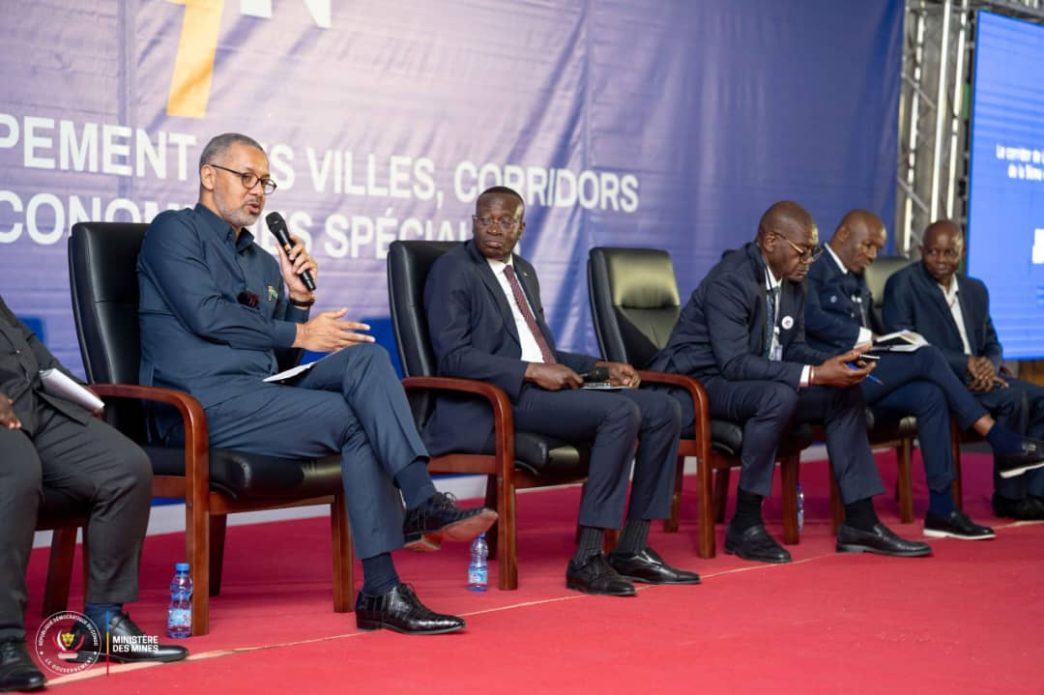
Mining Minister Kizito Pakabomba outlined an ambitious vision for transforming the country’s mineral wealth into sustainable industrial development during the ninth annual Expo Béton conference, advocating for enhanced logistics networks as a lever for economic sovereignty.
Speaking at a high-level panel at the newly inaugurated provincial assembly headquarters in Lubumbashi, Pakabomba presented a comparative analysis of logistical integration approaches in Central Africa, contrasting Congo’s predominantly state-controlled infrastructure with Angola’s private-sector concession model.
“Angola’s approach enables faster execution and superior capacity to attract foreign capital,” Pakabomba told industry leaders and government officials assembled at the four-day event themed “The Southern Corridors of DRC-SADC: Projects to Develop and Business Opportunities.” 
The minister acknowledged Congo’s infrastructure development lags behind regional competitors due to complex and time-consuming public financing structures. “We must structure robust public-private partnerships and secure investment conditions,” he said, stopping short of proposing wholesale adoption of Angola’s privatization strategy.
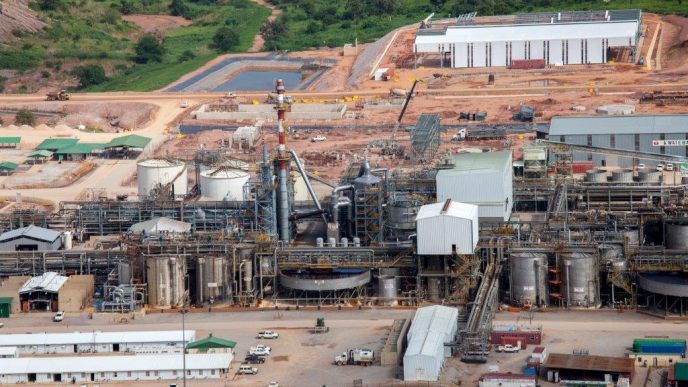
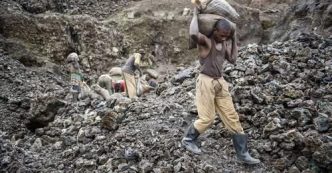
Central to Pakabomba’s strategy is transitioning from raw mineral exports to domestic processing, a shift from merely prohibiting concentrate exports to fostering genuine industrial transformation.
His three-pronged approach includes strengthening regulatory frameworks through local content requirements in the Mining Code, establishing special economic zones in mineral-rich areas like Kolwezi, and developing metallurgical facilities and battery component production to integrate global value chains amid the energy transition.
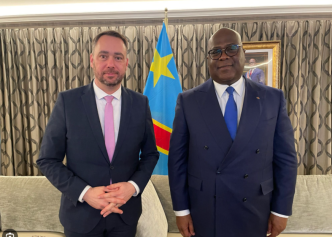
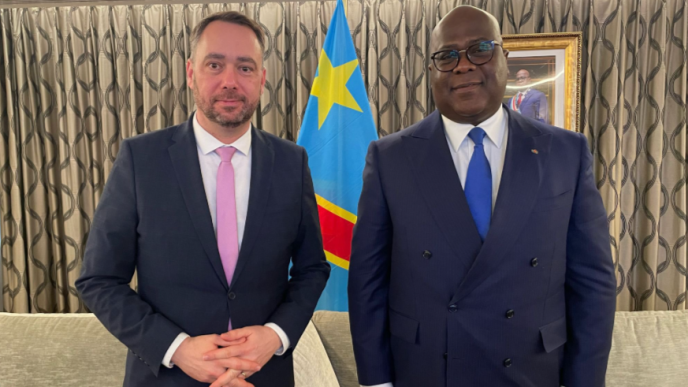
The vision extends beyond mining exports, with Pakabomba emphasizing that logistics corridors should serve to “open up agricultural zones, foster local agro-industry development, and create new development hubs.” This diversification strategy aligns with President Felix Tshisekedi’s vision, who officially opened the expo with calls to leverage infrastructure as an engine for inclusive growth and sustainable employment.
Despite clearly articulated ambitions, substantial obstacles remain: an imperfect business climate, unreliable electricity access, and administrative inefficiencies. These challenges must be addressed for Congo to realize its structural transformation toward a locally anchored industrial economy.
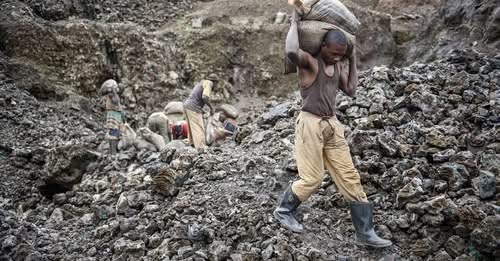
The shifting strategy comes as Congo positions itself as a critical minerals supplier in the clean energy transition, with the government increasingly seeking to capture more value from its vast cobalt and copper resources that power electric vehicle batteries and renewable energy technologies.
Industry analysts note that Congo’s approach represents a significant departure from traditional resource extraction models that have dominated the country’s mining sector for decades. “What we’re seeing is a fundamental rethinking of Congo’s position in global supply chains,” said a mining executive who requested anonymity to speak candidly about government policy.
The Expo Béton conference, running April 16-19, has become a crucial event in Congo’s economic calendar, bringing together public decision-makers, investors and private operators to discuss development strategies for the mineral-rich nation.