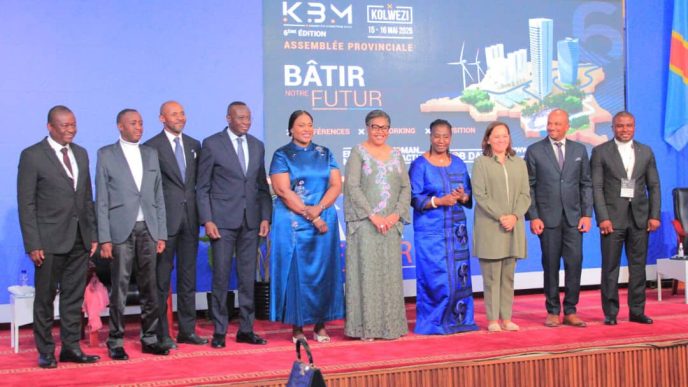
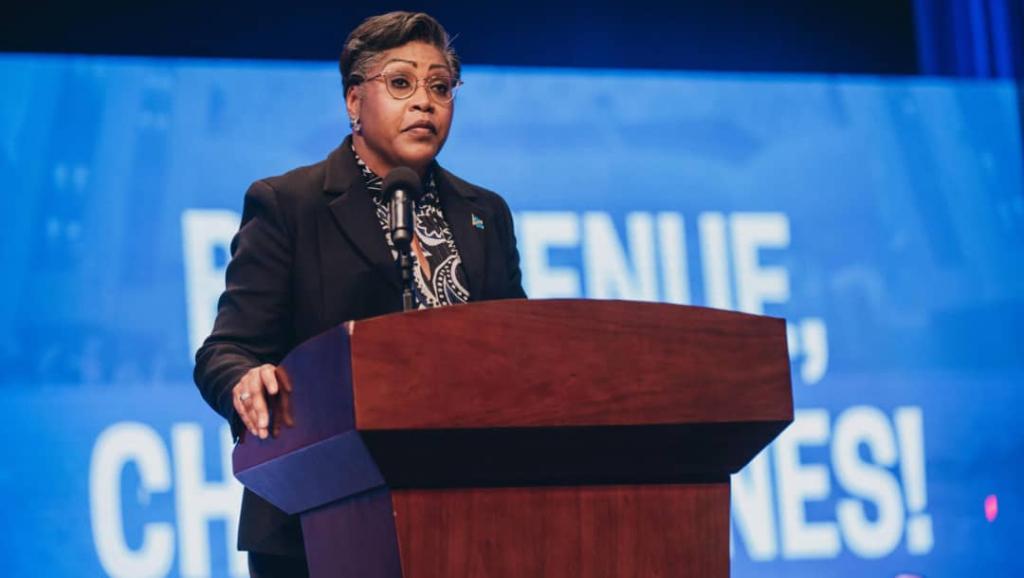
Democratic Republic of Congo Prime Minister Judith Suminwa Tuluka positioned her mineral-rich nation as an indispensable player in the global energy transition during a compelling address at the Annual Investment Meeting Congress last week.
“We possess enormous potential, whether in strategic minerals, arable land or water resources,” Suminwa told assembled political and business leaders, emphasizing that Congo’s vast critical mineral deposits represent more than mere commodities—they are fundamental assets in the worldwide push toward decarbonization.
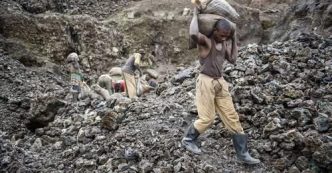
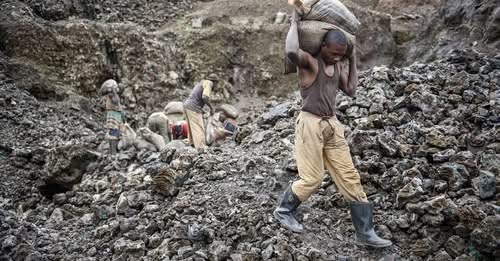
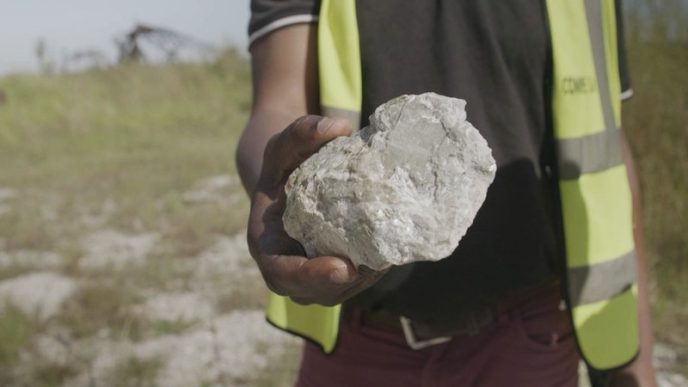
The Central African nation holds some of the world’s largest reserves of cobalt, lithium and copper—essential materials for electric vehicle batteries, solar panels and wind turbines. Congo currently produces over 70% of global cobalt and ranks among the top copper suppliers, giving it significant leverage as demand for these materials accelerates. 
Suminwa’s pitch went beyond raw resource potential, focusing on ongoing reforms to improve the investment climate. “We are implementing structural changes to strengthen legal security for investors and enhance public-private partnerships,” she said, addressing concerns about the country’s historically challenging business environment.
Environmental stewardship featured prominently in her remarks. The prime minister highlighted Congo’s creation of protected areas spanning more than 500,000 square kilometers, including 108,000 square kilometers of forest—a significant commitment for a country positioning itself as both a mining powerhouse and environmental steward.
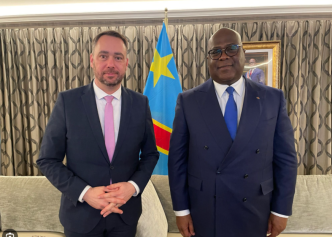
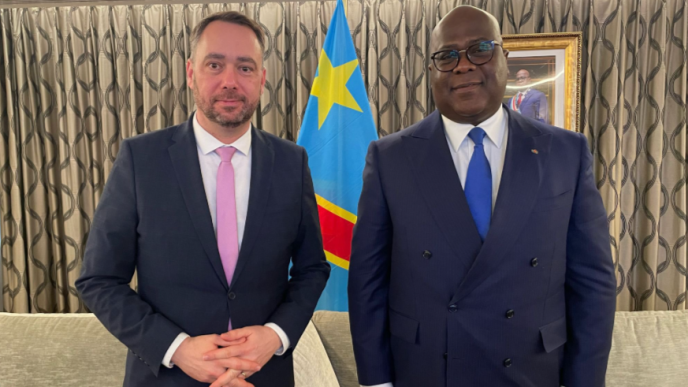
On the sidelines of the summit, Suminwa held strategic discussions with UAE Minister of Foreign Trade Dr. Thani bin Ahmed Al Zeyoudi, focusing on joint projects in key sectors. Analysts view this engagement as part of Congo’s broader strategy to attract infrastructure and energy investments that would support local processing of minerals rather than continued reliance on raw exports.
The prime minister’s Dubai appearance reflects Congo’s intensifying efforts to capitalize on its strategic position in critical mineral supply chains amid escalating great power competition for resources essential to renewable energy technologies and defense applications.